Depreciation Reports in Fort St. John, BC
Strata depreciation reports in Fort St. John, British Columbia. Fort St. John and Dawson Creek together are about 54 stratas with 5 or more lots on the July 1, 2027 deadline.
About Fort St. John
Fort St. John is in the Peace region. With Dawson Creek, the count is about 54 strata corporations with 5 or more lots. The plan records a local ClarityRS consultant for Fort St. John and the Peace. A strata with 5 or more lots needs a current depreciation report before July 1, 2027 unless one was received after December 31, 2020. Winters are long and cold, labour and materials cost more than in the south, and the buildings are mostly low-rise apartments and townhouses rather than towers.
Fort St. John stratas can ask for a proposal from the Peace coverage. Dawson Creek is quoted on the same basis.
We also prepare depreciation reports in the Nechako region.
Discover how we can assist with your Depreciation Report or Reserve Fund Study in the Fort St. John region — contact us for a customized quotation today!
Fort St. John Gallery
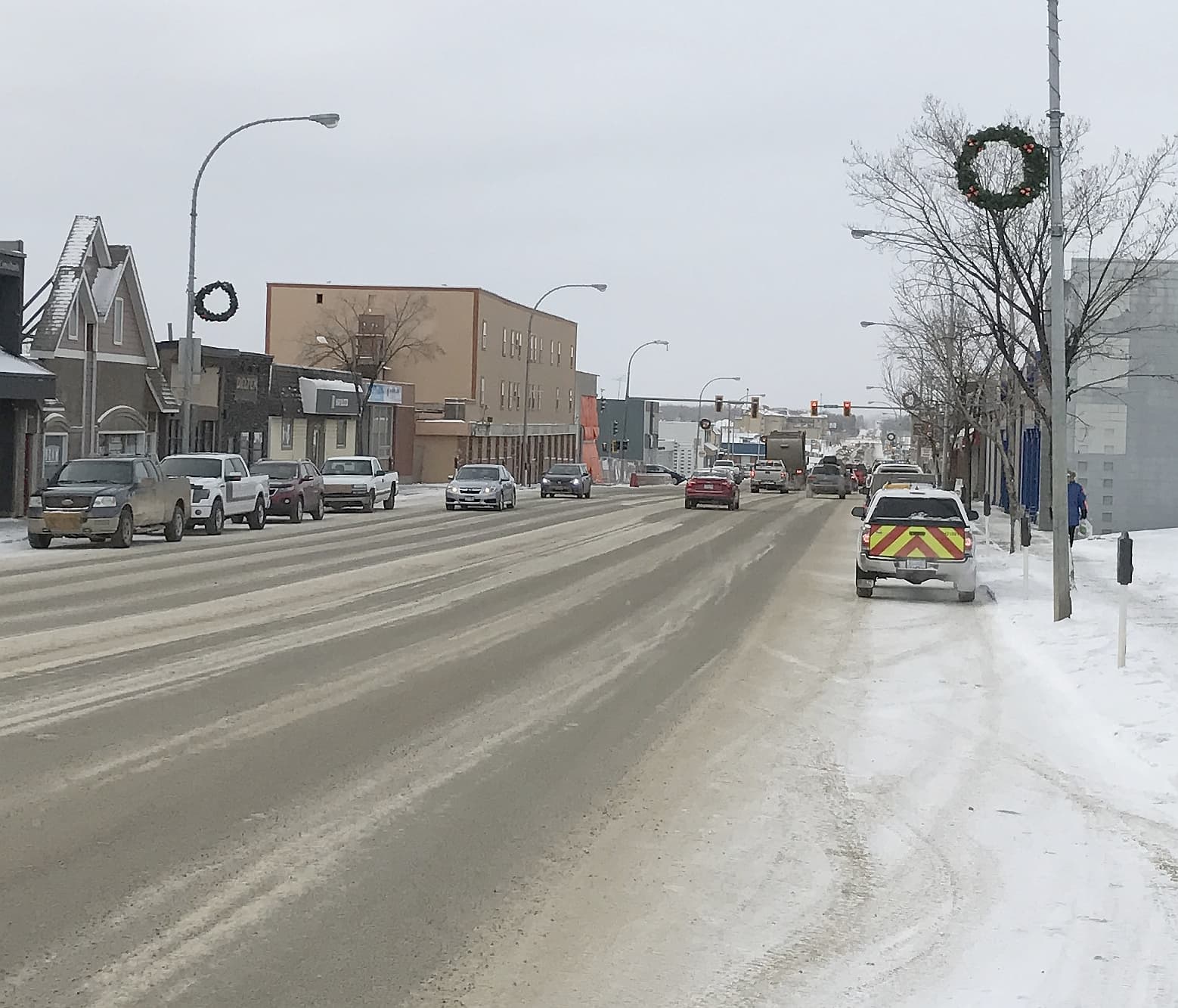
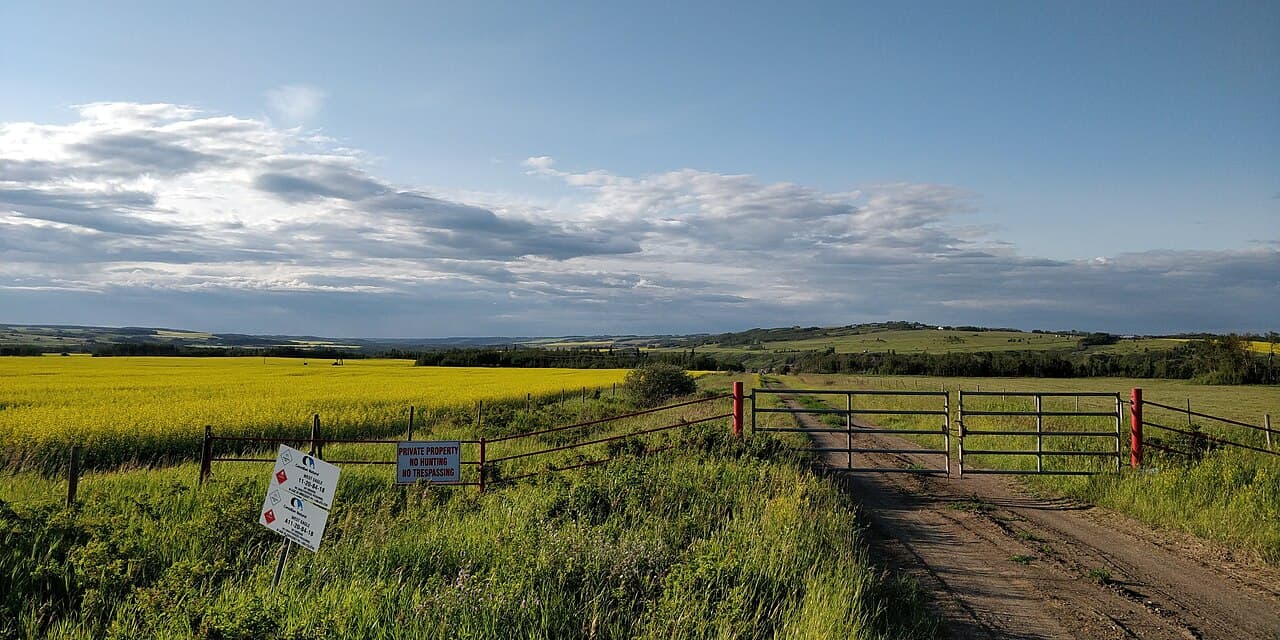
Photos: jasonwoodhead23 (CC BY 2.0) and awmcphee (CC BY-SA 4.0), via Wikimedia Commons.
FAQ
Strata corporations in BC with 5 or more lots must obtain a depreciation report on a five-year cycle, effective July 1, 2024. They can no longer vote to waive the requirement, and deferring is not an option. Stratas without a report, or with a report received before December 31, 2020, have until July 1, 2026 in Metro Vancouver, the Fraser Valley, and the Capital Regional District (excluding the Gulf Islands and other islands within the CRD), and until July 1, 2027 elsewhere in British Columbia.
From July 1, 2025, British Columbia identifies six designated professions qualified to produce depreciation reports. Accredited appraisers and certified reserve planners are included. ClarityRS reports are prepared by people who hold AACI and/or CRP designations, with standards managed by the Appraisal Institute of Canada and the Real Estate Institute of Canada.
The report provides at least three funding models over 30 years, including the predicted timing and scale of replacement costs for shared building components. It is a budgeting and planning tool for the strata corporation.
The report compares the current contingency reserve fund with long-term repair and replacement obligations. One or more funding models may recommend higher contributions, and future special levies may be shown. Recommendations deal with contributions to the contingency reserve fund, not the operating fund.
No. The strata corporation is not obligated to follow the recommendations or funding models. Legislation still sets a minimum contribution to the contingency reserve fund equal to 10% of the operating budget. Funding only at that minimum leads to special levies for most corporations.
Fees depend on the number of strata lots, the complexity of the development (including sectioned, phased, and air space parcels), and whether drawings are missing. A basic small strata is a few thousand dollars. A large, complex strata can be well over ten thousand dollars. Per owner, small stratas usually cost more and large stratas less. Most small stratas start from $2,850 plus GST.
A straightforward assignment takes over one month from order to final report. A complex corporation can take several months, because documents take time to gather and council meetings are not weekly. Plan a few months of lead time if the report needs to inform the next annual budget.
Legislation effective July 1, 2024 requires a new depreciation report every 5 years.
Quick Quote
Get Your Free Proposal Now!
We respect your privacy and are committed to protecting your personal information. Rest assured, we will not sell or share your data with third parties. Your information is solely used for internal purposes related to our services.